
Expert Picks For Woodpecker Damage Repair Supplies And Solutions
Find out which repair products professionals recommend for efficiently restoring woodpecker-affected areas.
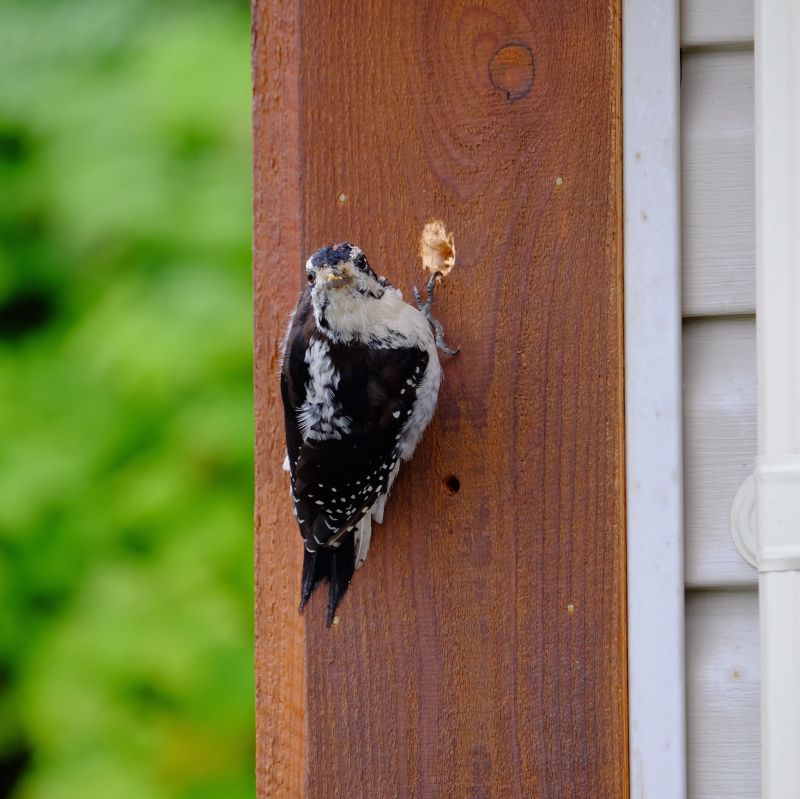 Woodpecker damage can pose significant challenges for property owners, as these birds often create persistent holes and tunnels in wooden structures, siding, and trees. Repairing such damage requires careful selection of appropriate products that can effectively seal and protect the affected areas. The process typically involves assessing the extent of the damage, cleaning the surface, and choosing the right repair materials to restore the integrity of the wood. Using specialized repair products can help prevent further deterioration and discourage future woodpecker activity.
Top Overall Option
Heavy-Duty Wood Filler and Sealant
A versatile, high-performance filler and sealant designed specifically for repairing wood surfaces affected by woodpecker activity. It offers excellent adhesion, weather resistance, and ease of application, making it suitable for both small holes and larger damaged areas. This product can be sanded smooth and painted over for a seamless finish, helping to restore the appearance and integrity of the wood. Its durable formulation is intended to withstand outdoor conditions, providing a reliable solution for long-term repairs.
Types of Products For Woodpecker Damage Repairs
Wood Filler
Pre-mixed or putty-type fillers designed to fill holes and cracks in wood surfaces, providing a smooth base for finishing.
Sealant Caulk
Flexible sealants that can be applied to seal small holes and cracks, offering weather resistance and adhesion.
Epoxy Resin
Heavy-duty epoxy compounds used for structural repairs, filling larger damaged areas with strong bonding capabilities.
Wood Patches
Pre-made patches or repair plates that can cover larger holes or tunnels in wood surfaces.
Deterrent Sprays
Repellent sprays designed to discourage woodpeckers from returning to previously damaged areas.
Wire Mesh or Hardware Cloth
Physical barriers that can be installed over holes to prevent further pecking or tunneling.
Paint and Stain
Finishing products used after repairs to match the existing surface and provide additional protection.
Exterior Wood Primer
Primers formulated for outdoor wood surfaces to improve adhesion of subsequent coatings and seal repairs.
Trowels and Putty Knives
Tools used for applying and smoothing fillers, sealants, and patches during repair work.
Deterrent Devices
Physical or sonic devices designed to scare away woodpeckers and prevent future damage.
Popular Choices
A widely used filler suitable for various wood repair projects, appreciated for its ease of use and versatility.
A durable sealant designed for outdoor use, helping to close small holes and cracks in wood surfaces.
Comprehensive kits that include epoxy compounds and application tools for larger or more complex repairs.
Physical barriers installed over vulnerable areas to prevent further pecking and tunneling.
Sprays formulated to discourage woodpeckers from returning to the same spots after repairs.
Paints designed for outdoor wood surfaces, used after repairs to match existing finishes and provide protection.
Sealing caulk that remains flexible and weather-resistant, ideal for filling small holes and cracks.
Tools used to smooth repaired surfaces for a seamless finish before painting or staining.
Pre-cut patches suitable for covering extensive damage caused by woodpeckers.
Devices that help deter woodpeckers through visual scare tactics or sound emissions.
When addressing woodpecker damage, it is important to consider the type of surface being repaired—whether it is exterior siding, wooden fences, or tree trunks. Proper preparation, including cleaning and removing loose debris, enhances adhesion and durability of the repair materials. Additionally, applying deterrents alongside repair products can help reduce the likelihood of recurring damage. Selecting products with suitable adhesion properties, weather resistance, and ease of application ensures a more effective and long-lasting fix.
Different products are available to cater to various repair needs, from quick patching compounds to more comprehensive sealing systems. Some solutions are designed specifically for wood surfaces, while others are versatile enough for multiple materials. It is advisable to evaluate the severity of the damage and the specific requirements of your project to choose the most appropriate repair product. Proper maintenance and periodic inspections can help identify new damage early and facilitate timely repairs.
Overall, investing in the right repair products for woodpecker damage can help maintain the structural integrity and appearance of your property. Whether dealing with minor holes or extensive tunneling, selecting the appropriate materials and techniques can make the repair process more manageable and effective. Consulting with professionals or experienced DIYers can also provide valuable insights into the best practices for woodpecker damage repair.
Key Buying Considerations
- Assess the extent of damage to determine whether small fillers or large patches are needed.
- Choose products compatible with outdoor use if repairing exterior surfaces to ensure durability.
- Look for materials that adhere well to wood and have good weather resistance.
- Consider ease of application and whether tools or additional preparation are required.
- Select products that can be sanded, painted, or stained for a seamless finish.
- Evaluate the drying and curing times to fit your repair schedule.
- Use deterrent options in combination with repairs to help prevent recurring damage.
- Check for compatibility with existing finishes such as paint or stain for aesthetic consistency.
- Prioritize products with good reviews for adhesion and longevity.
- Determine if physical barriers or deterrents are necessary for ongoing protection.
- Consider the size of the damaged area to select appropriate repair materials.
- Be mindful of environmental conditions that may influence product performance, such as moisture or temperature.
- Review manufacturer instructions for proper application and safety precautions.
- Opt for repair solutions that allow for future inspections and maintenance.
- Balance cost with the quality and longevity of the repair products.
This content contains affiliate links and we may earn a commission from qualifying purchases.