Optimal Timing for Woodpecker Damage Repairs
Woodpecker damage repairs are most effective when performed during specific times of the year to ensure minimal disruption and optimal results. The timing depends on local bird activity patterns, weather conditions, and the type of repair needed. Typically, late winter to early spring is ideal, as woodpecker activity tends to decrease after the breeding season, reducing the risk of further damage during repairs.
Woodpecker activity peaks during spring and early summer. Repair timing should consider periods of lower activity to prevent re-damage.
Dry, mild weather conditions facilitate better repair work and help prevent issues related to moisture or extreme temperatures.
Avoid repairing during nesting seasons to prevent disturbing woodpeckers and to ensure repairs are durable.
Choosing the right materials during optimal weather conditions extends the longevity of repairs.
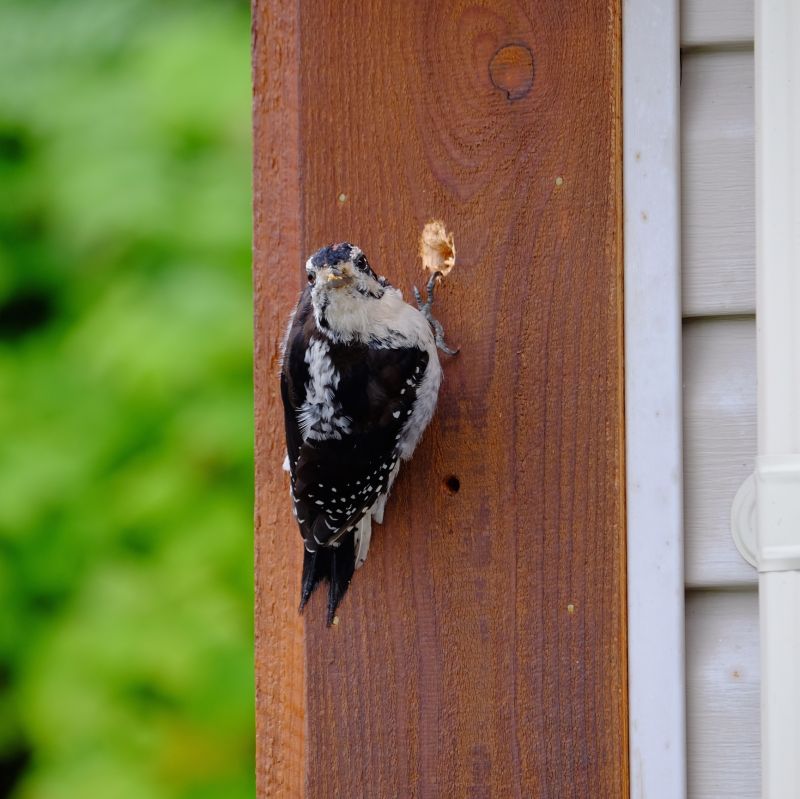
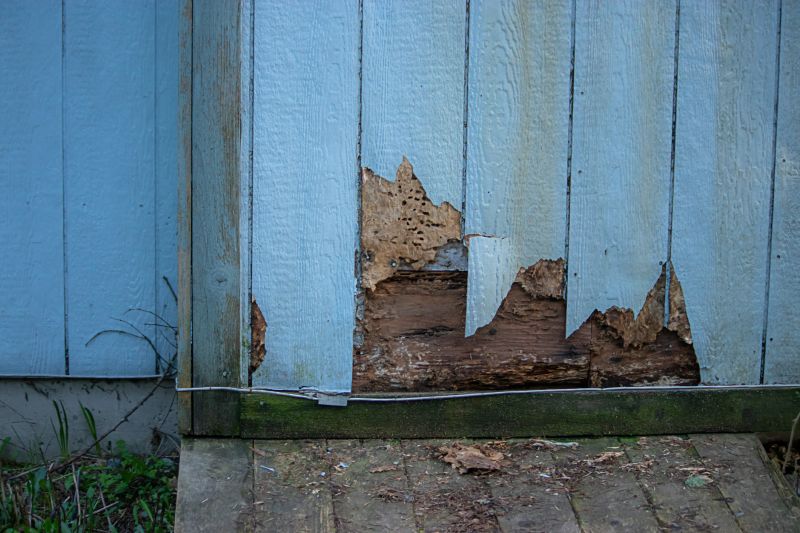
Close-up of damage caused by woodpeckers on exterior siding.
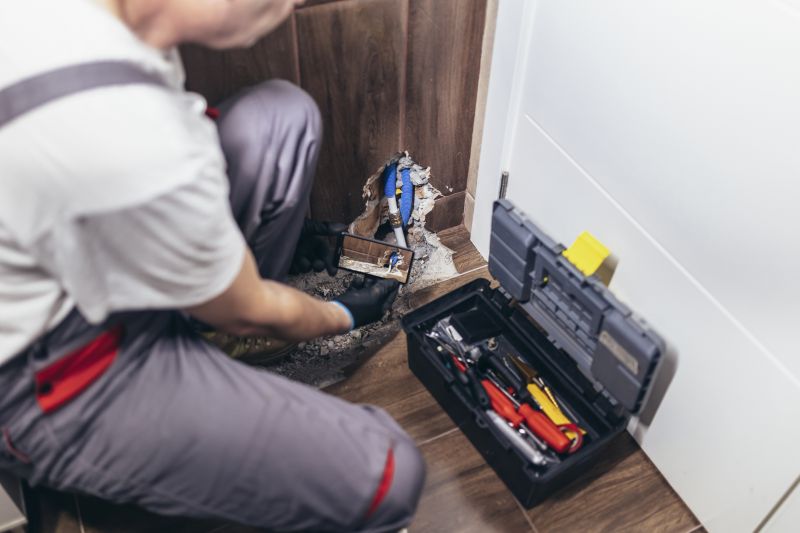
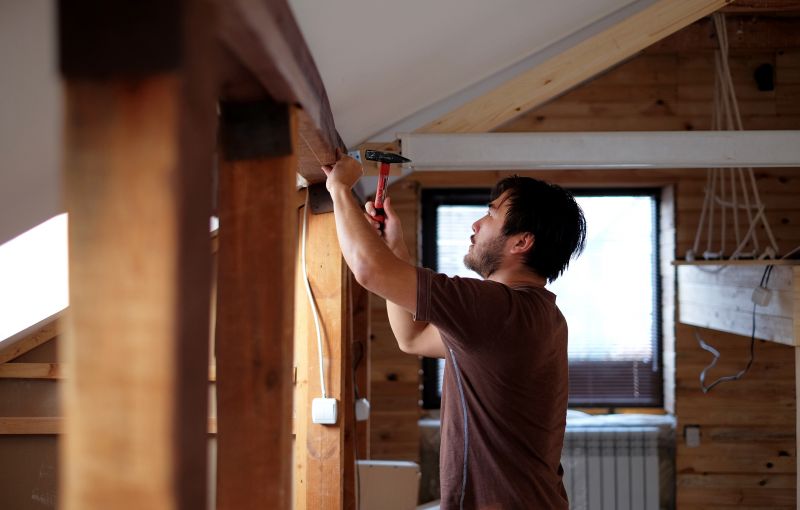
Technician repairing woodpecker damage during suitable season.
Installing deterrents to prevent future damage.
Finished woodpecker damage repair on exterior wall.
Woodpecker damage repairs involve assessing the extent of the damage, removing affected materials, and replacing or reinforcing the damaged areas. Proper timing ensures that repairs are not compromised by ongoing bird activity or adverse weather conditions. Statistics indicate that early intervention can prevent extensive structural damage and reduce long-term repair costs.
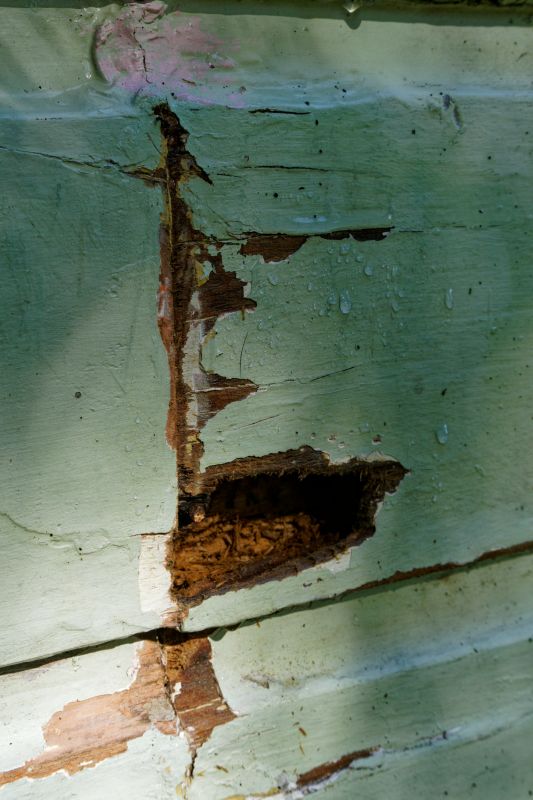
Example of woodpecker damage on siding panels.
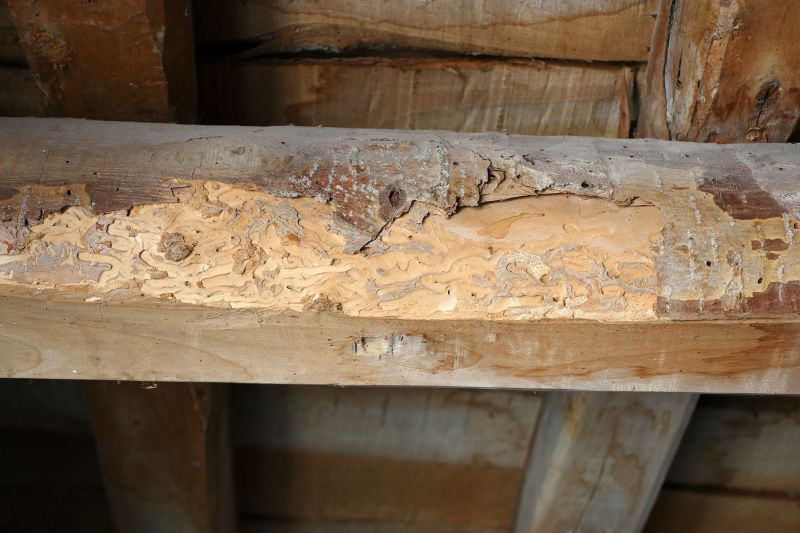
Using durable materials for effective repairs.
Bird deterrents installed to prevent future damage.
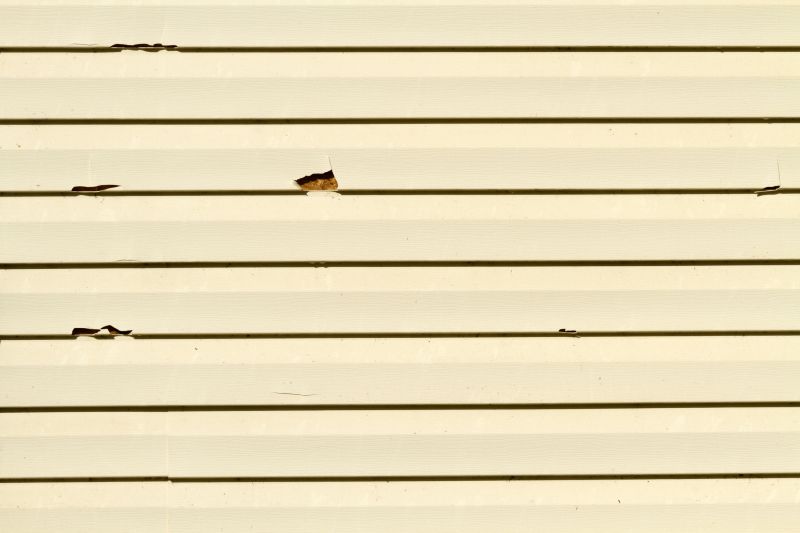
Sealant and new siding in place after repairs.
Ways to make Woodpecker Damage Repairs work in tight or awkward layouts.
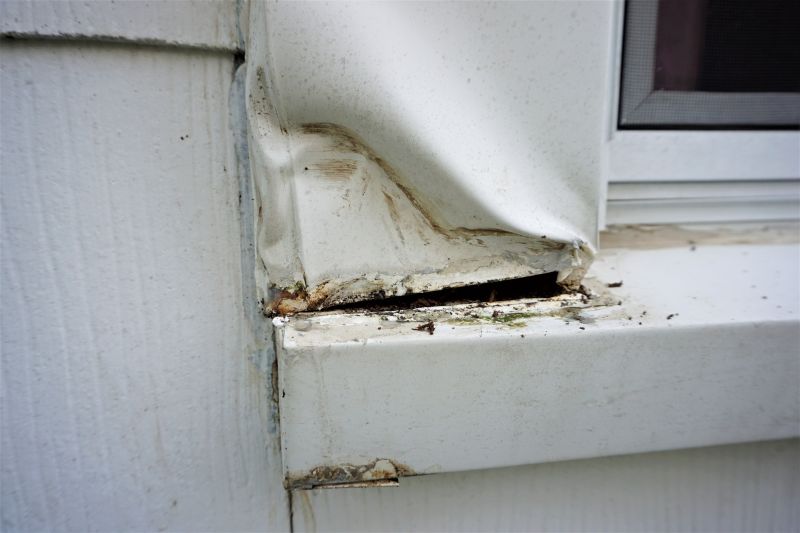
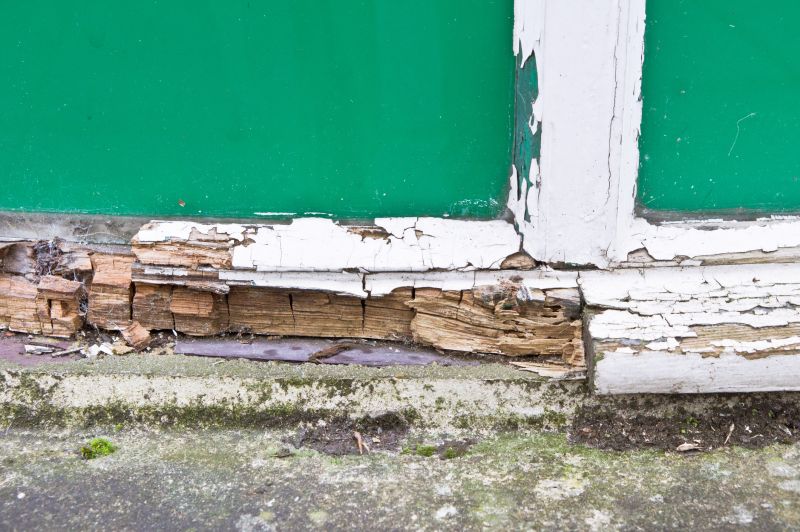
Popular materials for Woodpecker Damage Repairs and why they hold up over time.
Simple add-ons that improve Woodpecker Damage Repairs without blowing the budget.
High-end options that actually feel worth it for Woodpecker Damage Repairs.
| Timing Factor | Recommendation |
|---|---|
| Bird activity peak | Perform repairs outside peak seasons, typically late winter or early fall. |
| Weather conditions | Choose dry, mild periods for optimal repair conditions. |
| Nesting season | Avoid repairs during nesting to prevent disturbance and re-damage. |
| Material application | Apply materials when weather allows proper adhesion and curing. |
| Local climate | Adjust timing based on regional weather patterns and bird behavior. |
Proper timing for woodpecker damage repairs can significantly impact the durability and effectiveness of the work. Scheduling repairs during periods of low bird activity and suitable weather conditions helps prevent re-damage and ensures the longevity of the repair efforts. Monitoring local bird nesting and activity patterns is essential for planning the best repair window.
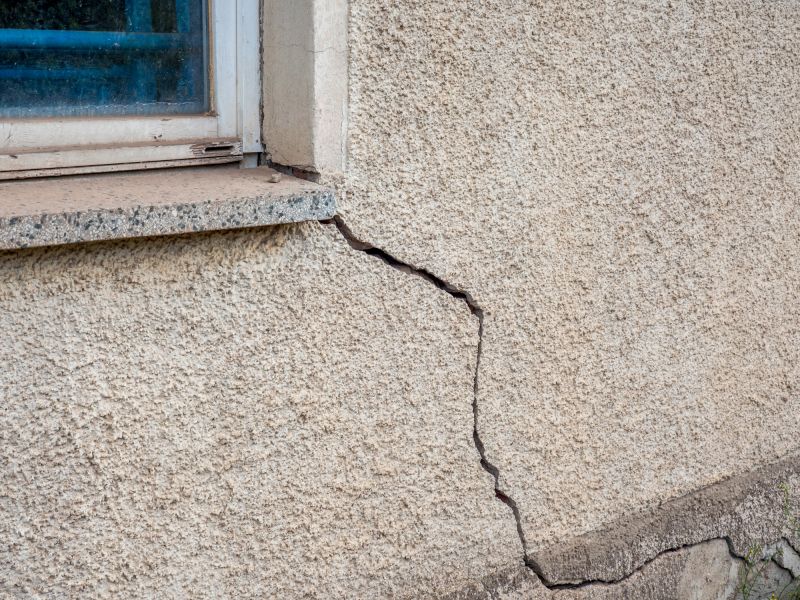
Photo of exterior wall with woodpecker damage.
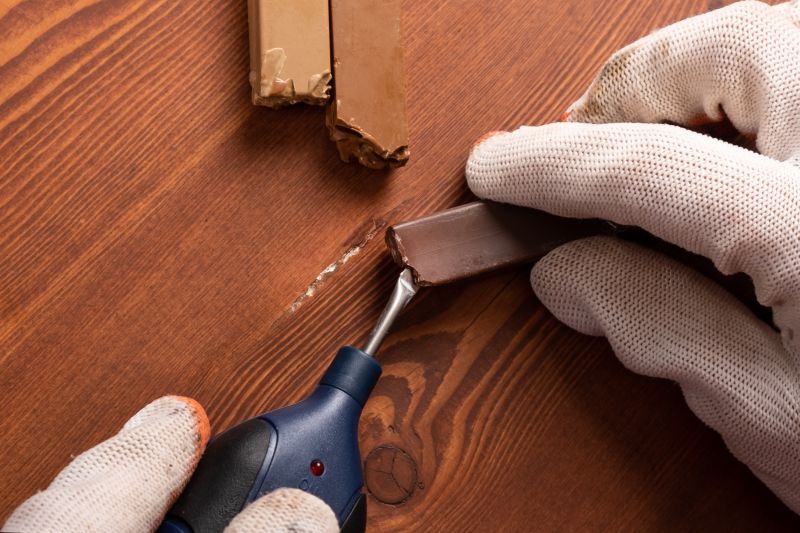
Technicians repairing damage during optimal season.
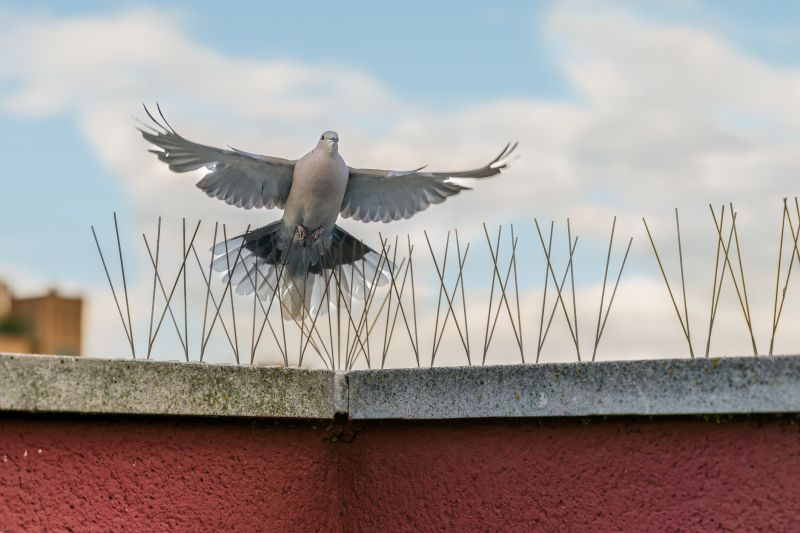
Bird deterrent devices installed on property.
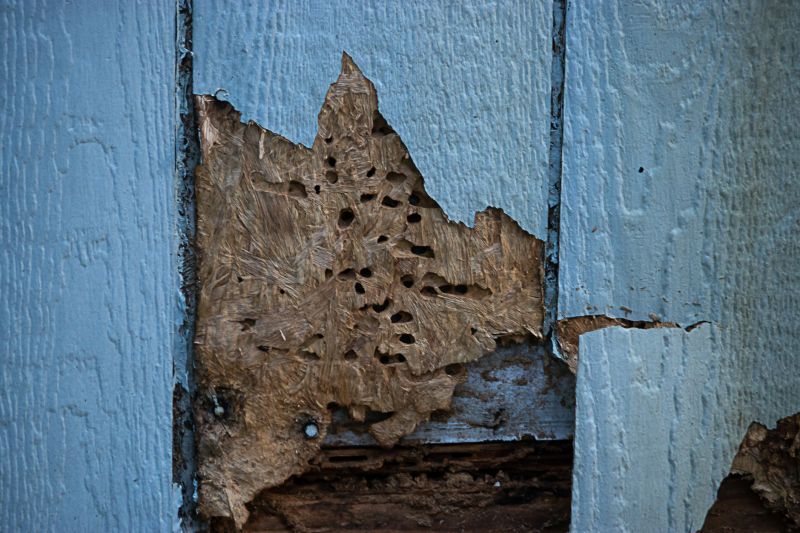
Repaired siding with protective measures in place.
Finishes and colors that play nicely with Woodpecker Damage Repairs.
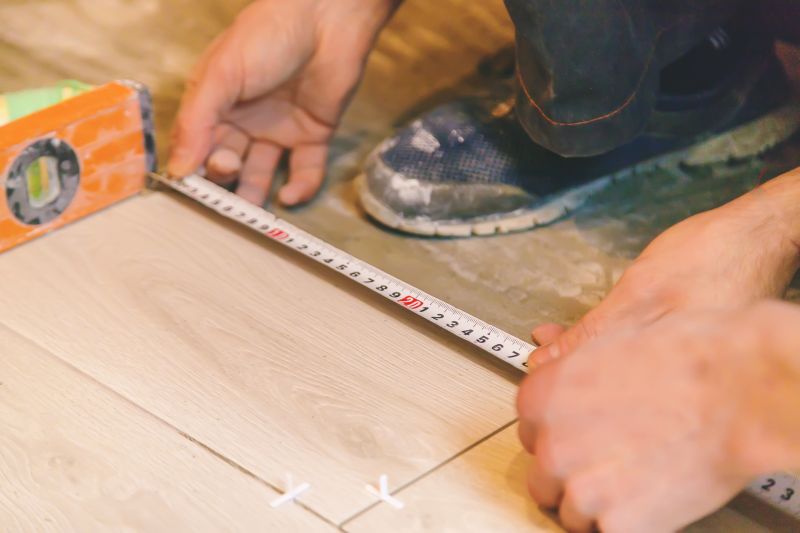
Little measurements that prevent headaches on Woodpecker Damage Repairs day.
Interested in addressing woodpecker damage at the optimal time? Filling out the contact form can provide tailored advice and scheduling options to ensure effective repairs. Proper timing and professional intervention can help maintain the integrity of the building exterior.